

Invisalign Arena
Morrisville, NC
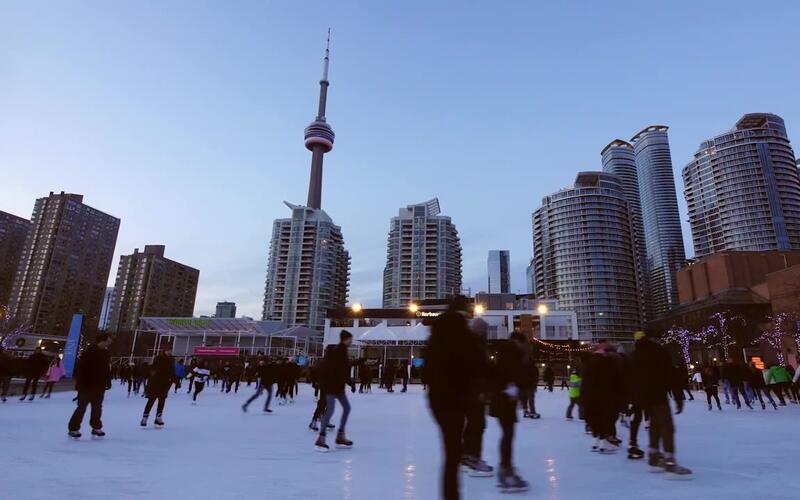
An indoor ice rink is basically a giant, carefully controlled freezer floor. A refrigeration system pumps a chilled fluid through pipes buried in a concrete slab, which keeps the slab below freezing.
Crews then spray thin layers of water onto that cold slab, building up a smooth sheet of ice layer by layer.
Add painted lines, an ice resurfacer and careful control of the air, and you get the glassy surface you glide across. Here is how all the pieces fit together.
The ice is only the top of the story. Most of the work happens out of sight, below the surface and in a mechanical room nearby.
Beneath the ice sits a concrete slab, or in some rinks a bed of sand, with a network of pipes running through it. The pipes run back and forth across the entire rink in closely spaced rows, so the whole surface cools evenly.
A cold fluid flows through those pipes, pulling heat out of the slab and the ice above it. Keep the slab cold enough, and the water on top freezes and stays frozen.
The fluid in the floor pipes is usually not plain water, since water would freeze inside the pipes. Instead, many rinks use one of two common options:
That fluid travels in a loop. It picks up heat from the floor, flows back to the mechanical room, gets chilled again, and returns to the floor.
In the mechanical room, a refrigeration system, often called the chiller, cools the brine or glycol. It works on the same basic principle as your kitchen fridge: a refrigerant absorbs heat, gets compressed, and releases that heat elsewhere.
Rinks use various refrigerants depending on their design and age. Some systems capture the waste heat and reuse it, for example to warm parts of the building or melt the snow shaved off the ice.
Keeping the ground under a rink frozen all season can cause a problem called frost heave, where freezing soil expands and pushes the slab upward.
To prevent it, many permanent rinks place insulation below the cooling pipes, and some add a gently heated layer underneath to keep the ground from freezing.
You cannot just flood a rink and wait. A thick pour of water freezes slowly and unevenly, and it can crack or trap air. Instead, crews build the ice in many thin layers.
The process can take days. When the ice comes out at the end of a season, it is usually melted or broken up, and the whole process starts over for the next one.
Because the paint sits under clear ice, the lines and logos look sharp and slightly below the surface. Skaters never actually touch the paint, which is why markings do not wear off during games or sessions.
Indoor rink ice is often around an inch thick, give or take, and it varies from rink to rink. That may sound thin, but the ice is sitting on a solid slab, not floating on water like a pond. You can read more about natural ice in is pond ice safe to skate on.
Rink operators aim for ice that is thick enough to protect the paint and handle skating, but not much thicker. Thicker ice takes more energy to keep cold and is harder to keep at a consistent temperature at the surface.
Skate blades carve grooves, scratches and snow into the ice. Left alone, the surface gets rough, bumpy and slow. That is where the ice resurfacer comes in.
Many people call any resurfacing machine a "Zamboni," but Zamboni is actually a brand name that is commonly used generically. Rinks use resurfacers from various makers, and they all do roughly the same job.
The new layer freezes in minutes, leaving a fresh, glassy sheet. Afterward, the machine dumps its load of snow in a melt pit or outside.
Rinks typically resurface between sessions, between periods of hockey games and before figure skating events. Learn how this fits into the day in public skating sessions explained.
Resurfacers cannot reach right up against the boards, so ice can build up along the edges. Crews use smaller edging machines to shave down those areas. They also check ice thickness and fill holes or soft spots as needed.
If you have ever wondered why you need a jacket inside, it is not just the ice giving off cold. Rinks keep the air cool on purpose.
Many rinks heat spectator areas, lobbies and locker rooms while keeping the air right above the ice cool. Our guide on what to wear ice skating will keep you comfortable either way.
Humidity is a big deal in an ice rink. Warm, moist air hitting cold ice causes several problems:
To prevent this, many indoor rinks use dehumidification systems that pull moisture out of the air. These systems often work hardest in warm, humid weather, when lots of moist outside air finds its way in.
Not all skaters want the same ice. Rink operators often adjust the ice temperature depending on who is using it.
| Hockey | Figure skating | |
|---|---|---|
| Preferred ice | Colder and harder | Usually slightly warmer and softer |
| Why | Hard ice is fast, holds up to hard stops and cuts, and keeps the puck sliding well | Softer ice gives edges more grip and cushions landings from jumps |
Because changing ice temperature takes time, rinks that host both sports often settle on a compromise or adjust ahead of key events. Rinks with more than one sheet of ice may set each sheet differently.
The difference in ice preference echoes the difference in the skates themselves. See figure skates vs hockey skates for more, and how often to sharpen ice skates to keep your blades ready for any ice.
Ready to head out? Browse ice rinks by state or search the directory.
Indoor rink ice is often around an inch thick, though it varies from rink to rink. Thinner ice is easier and more efficient to keep cold, so rinks avoid building it thicker than needed.
Crews build a few thin layers of ice, paint the whole surface white, then paint lines and logos on top. More layers of clear ice are added over the paint to seal and protect it.
Zamboni is a brand name for one maker's ice resurfacers. People often use it generically for any ice resurfacing machine, much like other brand names that became everyday words.
Hockey players generally prefer colder, harder ice that stays fast and holds up to quick stops. Figure skaters usually prefer slightly warmer, softer ice that grips edges better and cushions jump landings.
The air is kept cool to help protect the ice and reduce the load on the refrigeration system. Rinks also control humidity, since moist air can cause fog, dripping and soft ice.
Featured
Picked from the highest-rated rinks we list nationwide.
Morrisville, NC
Elmwood Park, NJ
Grand Rapids, MI
Annapolis, MD


